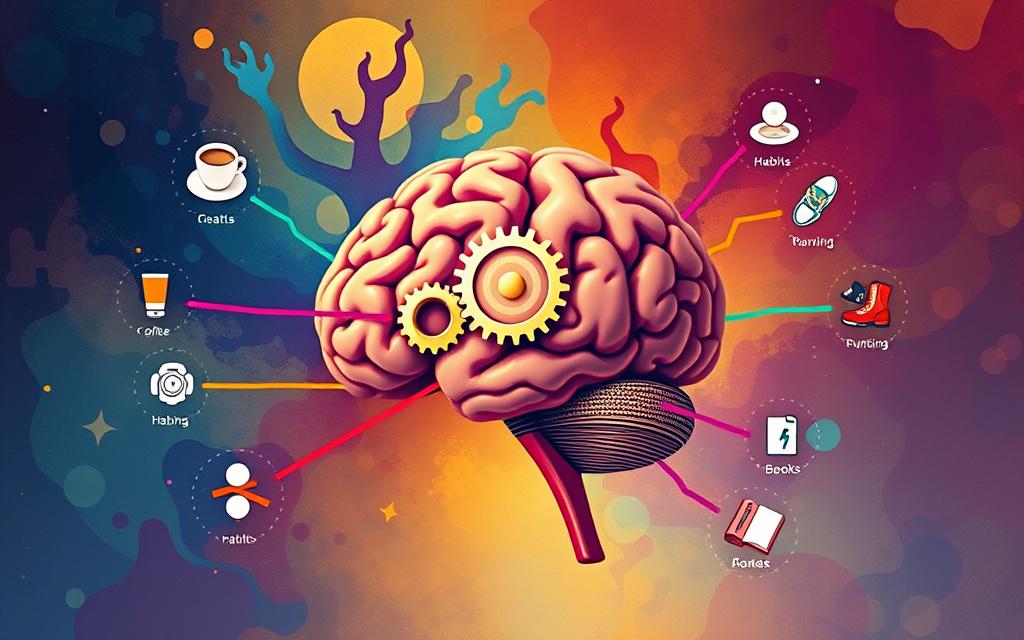
Have you ever wondered why around 44% of people in the United States set New Year’s resolutions, yet only a small fraction manage to stick with them over time? Understanding the habit formation science can provide you with valuable insights into this conundrum. In fact, studies have shown that only 19% of individuals maintain their resolutions for more than two years. This raises a crucial question: how can you utilize the psychology of habits and effective strategies for behavior change to overcome these challenges?
Harnessing scientific knowledge about habits can empower you to establish positive routines more effectively. Recent findings reveal that it can take anywhere from 18 to 254 days to form a new habit, with an average plateau observed around 66 days. By focusing on small changes, such as drinking more water or taking short walks, you might find it easier to create lasting habits that enhance your quality of life. This article aims to explore the intricate science behind habit formation, helping you understand what drives your behaviors and how to make meaningful changes.
Understanding Habits and Their Importance
Habits play a significant role in shaping your daily activities, affecting everything from productivity to lifestyle choices. Recognizing what constitutes a habit is the first step towards understanding its importance in your life. Generally, a habit is a routine behavior that transforms into an automatic action through repetition. As habits form, they often become ingrained, making them easier to execute with minimal conscious effort.
What Are Habits?
At their core, habits encapsulate consistent behavior patterns that arise from the brain’s reward system. When you engage in a behavior that yields positive results, dopamine, a neurotransmitter, reinforces that behavior. The automaticity of habits means that they will often occur without your deliberate thought, whether it be reaching for a snack or heading to the gym. Interestingly, studies indicate that nearly half of participants in certain studies reported performing their actions almost daily and in the same context. This illustrates the automatic nature of habits and their potential for consistency.
Why Habits Matter for Your Daily Life
The importance of habits cannot be overstated. They influence your routines and decisions, often determining the course of your day. For instance, people tend to be more inclined to visit the gym during fresh-start dates like birthdays and holidays, highlighting how habits interact with time and mindset. Additionally, research shows that being too rigid with habits may hinder long-term formation. Instead, a flexible approach, such as replacing bad practices with more beneficial ones, may prove more effective.
Furthermore, establishing new habits requires consistency. While it may be challenging initially, particularly evident in habits like running, which might start as difficult or uncomfortable, persistence may lead to automaticity over time. Embracing this understanding can empower you to make empowered choices and enhance your well-being.
The Habit Loop: Cue, Routine, Reward
Understanding the habit loop is essential for anyone looking to change their behaviors or establish new routines. This concept, popularized by Charles Duhigg in his 2012 book, “The Power of Habit,” consists of three critical components: cue, routine, and reward. By recognizing how these elements work together, you can take actionable steps to foster positive change in your life.
Breaking Down the Habit Loop
A cue serves as the trigger that initiates a behavior. Cues can be based on specific actions or particular locations that prompt you to engage in a routine. For example, seeing your running shoes by the door can be a cue that inspires you to jog. After identifying the cue, the next step involves the routine — the actual behavior you perform in response to that cue. Lastly, the reward plays a crucial role; it signifies the outcome that reinforces the habit by making you feel good or satisfied. Ultimately, these three components create what is known as the cue-routine-reward cycle.
Examples of the Habit Loop in Action
One common example of the habit loop is the practice of snacking. The cue might be an advertisement for a tasty snack. As a result, you follow through with the routine, which is grabbing a bag of chips. The reward follows—satisfaction from indulgence. Over time, the brain forms an automatic link between the cue and the routine, solidifying the habit. Another illustration is exercise. The cue may be an alarm in the morning prompting you to wake up. The routine of stretching or running is followed by the rewarding feeling of accomplishment and endorphins released afterward. Recognizing these elements of the habit loop allows for deeper insights into everyday behaviors.
| Component | Description | Example |
|---|---|---|
| Cue | Trigger that initiates the habit | Seeing running shoes by the door |
| Routine | The behavior performed in response to the cue | Going for a jog |
| Reward | The positive outcome that reinforces the behavior | Feeling energized and accomplished |
Understanding this framework not only aids in the development of new habits but also assists in breaking undesirable ones. Acknowledging the cues prompting certain behaviors can empower you to create healthier routines and attain desired rewards. Embracing the habit loop is a journey towards personal growth and improved well-being.
Habit Formation Science and the Brain
Understanding how habits form is essential to grasp the intricate relationship between our brain and behavior. The neurological basis of habits encompasses various brain regions that ultimately shape our routines. In particular, the basal ganglia, situated deep within the brain, play a crucial role in transitioning behaviors from conscious decisions to automatic actions.
The Neurological Basis of Habits
Neuroscience research has made significant strides in deciphering the brain’s habit circuits, revealing the connections involved in creating and maintaining routines. Studies involving animals, such as rats, have demonstrated how behaviors become ingrained within the brain through reinforcement contingencies. The habitual behaviors link specific neural circuits between the neocortex and the striatum, where patterns of neural activity during habit formation resemble memory chunking processes.
Key brain structures such as the dorsolateral striatum and dopaminergic neurons in the substantia nigra compacta are involved in response-guided behaviors. In instances where rewards are devalued, animals exhibit a remarkable insensitivity to outcomes, indicating a well-established habit. This aspect illustrates the brain’s remarkable ability to adapt and form new connections, confirming the idea that habits consist of a three-part loop: a cue, a behavior, and a reward.
How Dopamine Influences Habit Creation
Dopamine’s influence on habit formation cannot be understated. Dopaminergic neurons trigger feelings of pleasure when reinforcing certain behaviors, which then strengthens the association between the behavior and its resultant reward. As you engage in a behavior repeatedly, the decision-making part of the brain, particularly the prefrontal cortex, gradually decreases its activity, allowing the behavior to become more automatic. This shift emphasizes how the interplay of dopamine and the brain’s networks can create powerful associations that embody habitual actions.
Comprehending this dynamic relationship provides valuable insights into habit formation and modification, underlining the malleable nature of habits throughout life. A greater understanding of the neurological basis and the effects of dopamine will enable you to get a hold of your behaviors and lead you towards achieving lasting change.
The Psychology of Habits: Triggers and Rewards
Understanding the psychology of habits involves recognizing both triggers and rewards that govern your actions. Identifying habit triggers is a crucial step toward mastering your routine. Triggers can manifest in various forms, such as specific times of the day, locations, or emotional states. For example, if you find yourself indulging in unhealthy snacks when stress levels rise, recognizing this pattern can provide insights into reshaping your habits. Research indicates that surrounding yourself with positive influences, such as friends who engage in healthier lifestyles, significantly impacts your behaviors.
Identifying Habit Triggers
Fostering awareness of your habit triggers allows you to transform negative behaviors into positive ones. Here are some essential aspects to consider:
- Time: Certain times of the day can prompt specific habits. For instance, lunchtime might cue you to perform exercises like 10 pushups.
- Location: Changing your environment can ease the process of developing new habits, as it eliminates existing habit triggers linked to that space.
- Emotional State: Recognizing your feelings when certain habits occur helps you understand your psychological patterns more clearly.
- Influence of People: Your social circle plays a significant role in shaping habits. Jim Rohn’s quote, “You are the average of the five people you spend the most time with,” captures this concept effectively.
The Role of Rewards in Habit Adherence
Rewards play a vital role in reinforcing habits. Immediate rewards are generally more effective than delayed ones, as they provide instant gratification and make particular behaviors more desirable. For example, you might choose to reward yourself with a treat after completing a challenging task. According to Charles Duhigg, the reward serves to encourage the brain to remember the habit loop—comprising a cue (trigger), routine (action), and reward—thus cementing the behavior into your daily routine. In contrast, habits with delayed rewards often struggle to achieve the same level of commitment.
Behavioral patterns that are consistently repeated create lasting neural pathways in the brain, which initiate habits with minimal conscious effort. Recognizing patterns and asking reflective questions about your habits can empower you to make meaningful changes. Effective habit transformation requires conscious effort to replace undesirable habits with more constructive actions, ultimately enabling personal growth.
Techniques for Effective Behavior Change
Implementing effective strategies for behavior change can lead to lasting transformation in your daily life. Focusing on small changes can ease the journey toward new habits, allowing you to gradually build a solid foundation for success. Starting with manageable actions helps reinforce your commitment and keeps motivation levels high.
Small Steps to Establish New Habits
One of the most successful approaches to behavior change involves breaking down your goals into small, achievable steps. For instance, if you aim to incorporate more physical activity, begin with just a short daily walk. Researchers emphasize that techniques such as self-monitoring, goal setting, and the use of prompts and cues can significantly enhance the likelihood of adhering to new behaviors.
- Set specific, measurable goals.
- Utilize prompts to remind you of your intentions.
- Monitor your progress regularly.
- Celebrate small successes to boost motivation.
- Incorporate physical activity into your daily schedule.
Self-Directed Neuroplasticity for Lasting Change
Self-directed neuroplasticity focuses on reshaping your brain to encourage positive habits. Active engagement in reflective practices and journaling can help consolidate new behaviors. According to BJ Fogg, aligning your motivation, ability, and the right prompts can drive successful behavior change. Emphasizing the importance of feeling successful plays a key role in wiring habits into your brain.
| Technique | Description |
|---|---|
| Goal Setting | Define clear and actionable goals for your behavior change journey. |
| Self-Monitoring | Track your behaviors to understand progress and make adjustments. |
| Prompts and Cues | Create reminders that trigger the desired behaviors you wish to establish. |
| Positive Reinforcement | Reward yourself for small accomplishments to maintain motivation. |
| Reflection and Journaling | Document your journey to solidify your new habits and reflect on your experiences. |
Common Challenges in Habit Formation
Facing common challenges in habit formation is part of the process. Recognizing these obstacles helps you build resilience and stay committed to your goals. Understanding that everyone encounters difficulties can provide reassurance as you set out on your journey. Below, we explore the obstacles and offer strategies to break bad habits.
Obstacles and Resilience in Habit Building
Obstacles in habit formation often arise from various sources. For instance, individuals may struggle with executive functioning issues, affecting their ability to plan and complete tasks efficiently. Challenges with time management and prioritization can contribute to procrastination, making it difficult to establish and maintain desired habits.
Stress and anxiety significantly impact habit formation. This is especially true for neurodivergent individuals, who might experience emotional regulation difficulties or perfectionism. Building resilience is essential in overcoming these challenges. Setting clear and specific goals enhances your focus and motivation, allowing you to navigate the hurdles that stand in your way.
How to Overcome Habits That No Longer Serve You
To break bad habits, identifying habit triggers is crucial. Understanding what prompts undesirable behaviors allows you to create new routines and find alternative actions. Establishing structured routines and utilizing cues can help retrain your brain to replace negative habits with positive ones. Consider using technology and apps to track your progress and set reminders, offering support and motivation.
Engaging in regular exercise and self-care is equally important. These practices maintain your focus and bolster your motivation during the habit-building process. Communicating your goals and seeking social support plays a pivotal role in enhancing resilience. Recognizing that breaking bad habits requires discipline and adaptability will keep you moving forward, even in the face of setbacks.
Conclusion
Understanding the habit formation science is essential for anyone looking to make lasting changes in their life. As we explored, the concept of the habit loop — cue, routine, and reward — plays a pivotal role in shaping your behaviors. Moreover, the neurological influences that drive these habits, combined with psychological triggers, are critical elements that can guide you toward successful behavior change. By embracing this knowledge, you can better navigate the complexities of your daily routines and patterns.
Establishing positive habits, such as exercising or practicing mindfulness, may feel challenging, yet these behaviors are key contributors to a healthier lifestyle. In contrast, negative habits often form more easily due to their immediate gratifications, highlighting the need for persistence and motivation in breaking free from them. Remember, the environment significantly influences habit formation, making it crucial to curate a space that supports your goals.
As you engage in this journey of self-awareness and habit transformation, consider taking small, consistent steps. The practice of habit stacking can link beneficial behaviors to existing routines, creating a smoother pathway to integration. As you persist, you’ll likely observe positive changes that align with your values, making each effort worthwhile. Ultimately, with the right mindset and strategies in place, you have the potential to harness the power of your habits for improved health and overall well-being.